
The lubricants industry is a vital sector that manufactures and distributes substances designed to reduce friction, heat, and wear between mechanical components in various applications. Lubricants play a crucial role in machinery, automotive engines, industrial equipment, and other mechanical systems by ensuring smooth operation and prolonging the lifespan of moving parts. These substances come in various forms, including oils, greases, and solid lubricants, each tailored to specific applications and operating conditions. The industry addresses a wide range of sectors, including automotive, manufacturing, aviation, and marine, contributing to the efficient and reliable functioning of machinery. Ongoing innovations focus on developing high-performance lubricants that meet stringent environmental standards, reduce energy consumption, and enhance equipment reliability. The lubricants industry plays a foundational role in supporting the functionality and longevity of machinery and mechanical systems across diverse sectors.

Humic acid is a complex mixture of many different acids containing carboxyl and phenolate groups. It is derived from the decomposition of organic matter, primarily plant material, and is a major component of humic substances, which are found in soil, peat, coal, and many upland streams, lakes, and ocean water. Humic acid plays a crucial role in soil health and plant growth. Characteristics Chemical Composition: Humic acid is a mixture of various organic acids, primarily containing carbon, hydrogen, oxygen, nitrogen, and sulfur.

Sunflower oil is a popular cooking oil that is extracted from sunflower seeds. It is known for its light color, mild flavor, and high smoke point, making it versatile for various cooking methods. Here are some characteristics and applications of edible sunflower oil: Characteristics High smoke point: Sunflower oil has a high smoke point, making it suitable for frying and high-heat cooking methods without burning or breaking down easily. Light flavor: It has a mild flavor that doesn’t overpower the taste of the food, making it suitable for a wide range of dishes.
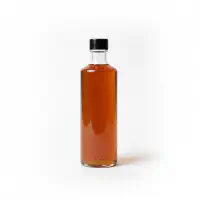
Distilled Cashew Nut Shell Liquid (CNSL) is a versatile, bio-based raw material used extensively in industrial chemistry. It is a natural source of cardanol, a substituted phenol that offers a sustainable alternative to petroleum-derived products. Characteristics Appearance: A clear, pale-yellow to reddish-brown oily liquid. Unlike the crude version, the distilled variant is significantly lighter in colour. Odour: Characteristically phenolic, though less intense than crude CNSL. Composition: Primarily consists of cardanol (typically >90%), a monohydric phenol with a long 15-carbon unsaturated side chain.
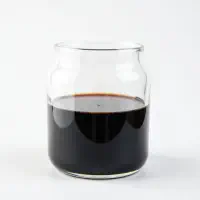
Degummed Cashew Nut Shell Liquid (CNSL) is a versatile, non-edible byproduct of the cashew processing industry. While raw CNSL contains high levels of gums and impurities, the degumming process refines the liquid, making it a valuable industrial raw material, particularly in the green chemical sector. Characteristics Appearance: A dark reddish-brown, viscous liquid. Odour: Characteristic phenolic, slightly acrid scent. Solubility: Soluble in most organic solvents; insoluble in water. Specific gravity: Typically ranges between 0.
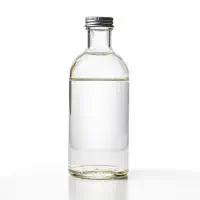
Mineral oil, also known as liquid paraffin or white oil, is a transparent, colorless, odorless, and tasteless liquid derived from petroleum. Here are some physical features and properties of mineral oil: Characteristics Appearance: Mineral oil is a clear, viscous liquid that can range in thickness from light and low viscosity to more heavy and viscous forms. Density: The density of mineral oil typically ranges from 0.8 to 0.9 grams per cubic centimeter (g/cm³).
For a consultation call us today at
+44 20 7101 3847
Bio Greenware Ltd ®