

The soap industry is a vital component of the personal care and hygiene sector, producing a diverse range of cleansing products essential for daily hygiene routines. Soaps are formulated through the saponification process, combining fats or oils with alkali substances to create soap and glycerin. The industry caters to various consumer preferences with a wide array of soap types, including bar soaps, liquid soaps, and speciality soaps with added skincare benefits. As a crucial element of personal hygiene, soaps play a pivotal role in maintaining cleanliness, preventing the spread of infections, and promoting overall health. The soap industry continually adapts to changing consumer demands, incorporating innovations such as natural and organic ingredients, antibacterial formulations, and sustainable packaging. With a focus on cleanliness, skincare, and environmental responsibility, the soap industry remains a cornerstone of global health and well-being.
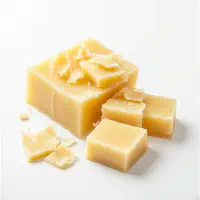
Palm wax is a natural, biodegradable wax derived from the oil of palm berries. It has become a favourite in the candle-making world, specifically for its unique aesthetic and eco-friendly profile. Palm wax is particularly prized for its unique aesthetic and clean-burning properties. Characteristics Crystalline Finish: One of its most distinctive features is the “feathering” or “marbling” effect. As the wax cools, it forms beautiful, intricate crystal patterns on the surface, making every candle unique.
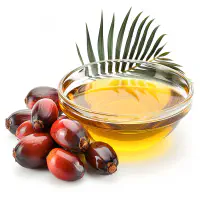
Palm oil is a vegetable oil derived from the fruit of oil palm trees. Characteristics Appearance: Palm oil is typically a yellow-orange to reddish liquid at room temperature. It has a smooth and creamy consistency. Melting point: The melting point of palm oil is around 35-45 degrees Celsius (95-113 degrees Fahrenheit). This relatively low melting point allows it to remain liquid at room temperature. Density: The density of palm oil is approximately 0.
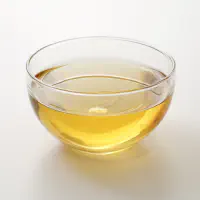
Palm Olein is a derivative of palm oil, specifically the liquid fraction obtained after the process of fractionation. Characteristics Appearance: Palm Olein has a clear, golden-yellow color. It is transparent and does not have any visible solids or impurities. Texture: Palm Olein is a liquid at room temperature. It has a smooth and pourable consistency, making it easy to handle and use. Melting Point: Palm Olein does not have a distinct melting point since it remains in a liquid state at room temperature.
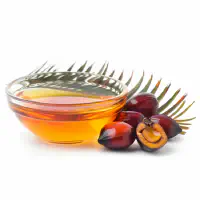
Palm kernel oil is derived from the kernel of the oil palm fruit and has distinct physical properties: Characteristics Appearance: Palm kernel oil is typically a light yellow to white solid at room temperature. However, when heated, it melts into a clear, yellowish liquid. Melting point: The melting point of palm kernel oil is higher than that of palm oil. It typically ranges from 23 to 28 degrees Celsius (73 to 82 degrees Fahrenheit).
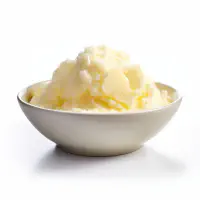
Palm stearin is a solid fraction of palm oil obtained through the fractionation process, known for its high saturated fatty acid content. It is commonly used in the food industry for stabilizing fats, producing margarine, and in the production of candles and soap. Characteristics Appearance: Palm stearin is a solid fat at room temperature. It has a creamy white to pale yellow color and a smooth, waxy texture. Melting point: Palm stearin has a higher melting point compared to palm oil.
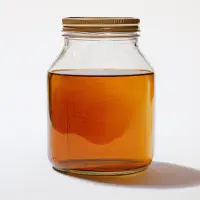
Palm Fatty Acid Distillate (PFAD) is a byproduct of the palm oil refining process. It is obtained through the distillation of crude palm oil to remove impurities and achieve a higher level of purity in the final product. PFAD is composed primarily of free fatty acids and other minor components. PFAD is a brownish-yellow liquid with a characteristic odor. It contains a mixture of saturated and unsaturated fatty acids, with the predominant fatty acids being lauric acid, myristic acid, and palmitic acid.
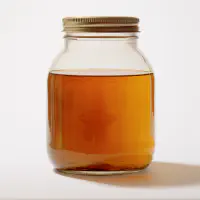
Palm Kernel Fatty Acid Distillate (PKFAD) is a byproduct of palm kernel oil refining, containing fatty acids obtained through the distillation process. It is utilized in various industrial applications, including soap manufacturing, biofuel production, and as a raw material in the oleochemical industry. Characteristics Refining Byproduct: Palm Kernel Fatty Acid Distillate (PKFAD) is a byproduct obtained during the refining of palm kernel oil. Rich in Fatty Acids: PKFAD is rich in fatty acids, including lauric acid, making it valuable for certain industrial applications.
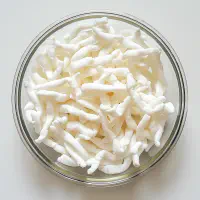
Soap noodles, also known as soap flakes or soap granules, are one of the primary raw materials used in the manufacturing of soap. They are produced by processing vegetable oils or animal fats with sodium hydroxide (lye) through a process called saponification. Soap noodles are typically solid white or off-white chunks or beads with a mild and neutral aroma. They are free from impurities and contain a high concentration of fatty acids that contribute to their cleansing and emulsifying properties.

Sunflower oil is a popular cooking oil that is extracted from sunflower seeds. It is known for its light color, mild flavor, and high smoke point, making it versatile for various cooking methods. Here are some characteristics and applications of edible sunflower oil: Characteristics High smoke point: Sunflower oil has a high smoke point, making it suitable for frying and high-heat cooking methods without burning or breaking down easily. Light flavor: It has a mild flavor that doesn’t overpower the taste of the food, making it suitable for a wide range of dishes.
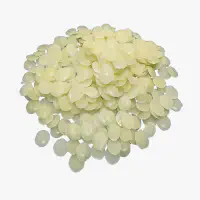
Rice bran wax is a natural, vegetable-based wax extracted from the husks of rice grains. It has gained significant popularity as a sustainable, vegan alternative to other natural waxes and petroleum-based waxes. When rice is processed, the outer husk (bran) is removed. This bran contains a small amount of oil. When that oil is refined, the wax is separated and purified into the hard, pale-yellow flakes or pellets seen in manufacturing.
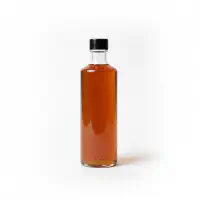
Distilled Cashew Nut Shell Liquid (CNSL) is a versatile, bio-based raw material used extensively in industrial chemistry. It is a natural source of cardanol, a substituted phenol that offers a sustainable alternative to petroleum-derived products. Characteristics Appearance: A clear, pale-yellow to reddish-brown oily liquid. Unlike the crude version, the distilled variant is significantly lighter in colour. Odour: Characteristically phenolic, though less intense than crude CNSL. Composition: Primarily consists of cardanol (typically >90%), a monohydric phenol with a long 15-carbon unsaturated side chain.
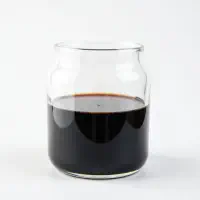
Degummed Cashew Nut Shell Liquid (CNSL) is a versatile, non-edible byproduct of the cashew processing industry. While raw CNSL contains high levels of gums and impurities, the degumming process refines the liquid, making it a valuable industrial raw material, particularly in the green chemical sector. Characteristics Appearance: A dark reddish-brown, viscous liquid. Odour: Characteristic phenolic, slightly acrid scent. Solubility: Soluble in most organic solvents; insoluble in water. Specific gravity: Typically ranges between 0.
For a consultation call us today at
+44 20 7101 3847
Bio Greenware Ltd ®